
Japanese plant stands, renowned for their minimalist elegance, offer a tranquil addition to any home. This guide delves into the design considerations, functionality, and cultural influences behind these simple yet impactful pieces. From materials and construction to plant selection and placement, we’ll explore the nuances of creating a harmonious space with a Japanese-inspired plant stand.
Crafting a Japanese-style plant stand requires careful attention to detail, from the choice of wood to the subtle arrangement of plants. This comprehensive guide will equip you with the knowledge to create a visually striking and functional piece that reflects the serenity of Japanese aesthetics. We’ll cover various design concepts, storage solutions, and maintenance strategies, providing a complete picture of the process.
Design Considerations
Japanese-style plant stands, prized for their minimalist elegance, offer a tranquil aesthetic that complements modern interiors. Their design often draws inspiration from natural forms, emphasizing simplicity and functionality. This focus on understated beauty translates into thoughtful considerations for materials, color palettes, and spatial arrangements. These elements are crucial in creating a plant stand that seamlessly integrates with the surrounding environment.The design of a Japanese-style plant stand must prioritize a harmonious balance between the plant and the structure.
This involves thoughtful considerations of material choices, color palettes, and spatial arrangements. A successful design should evoke a sense of serenity and tranquility, drawing inspiration from the natural world. Careful attention to negative space and proportions is key to achieving this understated aesthetic.
Design Concepts
Several distinct design concepts can be explored for a Japanese-style plant stand, emphasizing simplicity and a minimal aesthetic. Each concept should be rooted in the principles of Japanese design, which often favor natural materials and unadorned forms.
- Floating Stand: This design utilizes a slender, almost weightless structure that appears to suspend the plant. Materials like polished, light-colored wood (e.g., light oak or maple), or brushed metal (e.g., aluminum or stainless steel) could be employed, highlighting the natural textures. A light gray or a muted earth tone color palette would enhance the airy feel, allowing the plant to take center stage.
Negative space is maximized to emphasize the plant’s presence. The stand’s height can be adjusted to accommodate different plant sizes, ensuring the plant remains the focal point.
- Elevated Tray: This design utilizes a shallow, wide tray, elevated on slender legs. Materials like oiled bamboo, or a ceramic glaze in a muted tone would be suitable. A color palette that combines natural earth tones (e.g., beige, gray-green, and brown) would create a subtle, grounded feel. The negative space created between the tray and the floor allows for the natural beauty of the plant to shine.
The height of the stand can be adjusted to accommodate a range of plant sizes and shapes. A wider tray can accommodate larger, more voluminous plants.
- Stacked Disks: This concept employs stacked, circular or rectangular disks of varying sizes, creating a layered and visually interesting form. Materials like polished stone (e.g., slate or river stone) or dark-stained wood can create a sophisticated look. A muted color palette, such as charcoal gray, deep brown, or dark green, would enhance the layered effect. The disks can be sized and arranged to accommodate plants of varying heights and forms.
The interplay of negative space between the disks creates a sense of visual lightness.
- Simple Slab: This design features a single, slab-like platform, often made of a natural material. Materials like unpolished concrete, or a smooth, light-colored stone (e.g., marble or granite) would create a contemporary and minimalist look. A neutral color palette (e.g., white, gray, or beige) would allow the plant’s natural color and texture to stand out. The flat surface can be adjusted in size to accommodate different plant shapes and sizes, while maintaining a clean aesthetic.
- Rustic Branch: This design mimics the natural form of a branch or root structure. Materials like weathered wood or bark-covered branches, paired with a light-colored, matte finish, would highlight the natural character of the materials. A muted color palette of natural browns and grays would blend seamlessly with the surrounding environment. The organic form of the branch stand can be adjusted to suit the shape and size of the plant.
Color Palettes
The color palette of a Japanese-style plant stand plays a crucial role in its overall aesthetic appeal.
- Neutral Tones: A color palette that focuses on neutral tones (e.g., white, beige, gray, black) can create a calming and serene atmosphere. This approach emphasizes the natural beauty of the plant and the minimalist nature of the stand. The muted colors allow the plant’s foliage to stand out.
- Earthy Tones: A palette centered around earthy tones (e.g., browns, greens, grays, and beiges) creates a connection to nature. These colors blend seamlessly with the environment, promoting a sense of tranquility. The colors evoke a sense of warmth and connection to the natural world.
- Monochromatic Schemes: A monochromatic palette (e.g., various shades of gray or brown) can be used to achieve a sense of sophistication and elegance. This approach emphasizes the subtle variations in texture and tone, creating a visually striking contrast between the stand and the plant.
Negative Space
Utilizing negative space effectively is key to achieving a visually striking and simple design.
Negative space, the area around and between objects, can create a sense of visual lightness and draw attention to the plant. By strategically placing the plant within the stand, while leaving sufficient empty space, the stand can enhance the plant’s natural beauty and minimize visual clutter.
Proportions
The proportions of the plant stand are critical for accommodating various plant sizes and shapes.
Careful consideration of the stand’s height, width, and depth ensures that the plant is appropriately showcased. A well-proportioned stand allows the plant to flourish without feeling cramped or overwhelmed by the structure.
Functionality and Practicality
A well-designed Japanese plant stand must transcend mere aesthetics; it must offer practical benefits that enhance the overall living experience. Its functionality should complement the serene and minimalist design principles, providing a harmonious integration of form and function within a Japanese-style interior. Careful consideration of storage, drainage, stability, and maintenance routines is critical for long-term enjoyment and the well-being of the plants.The plant stand should facilitate effortless plant care and display, while simultaneously complementing the surrounding decor.
This requires thoughtful consideration of the stand’s structure, material selection, and its integration into the overall design scheme.
Storage and Display Options
The variety of storage and display options offered by a Japanese plant stand allows for customization based on individual needs and preferences. This adaptability ensures the stand can accommodate a range of plant types and sizes.
| Method | Benefits | Drawbacks |
|---|---|---|
| Open Shelves | Maximizes visual appeal, showcasing the plants directly. | May require more careful placement of plants to prevent overcrowding and damage. |
| Hidden Compartments | Maintains a clean aesthetic, concealing potting materials. | Potting and re-potting may require more effort to access. |
| Integrated Trays | Facilitates drainage and prevents soil spills, offering a refined touch. | May increase the stand’s overall size and weight. |
Drainage Systems
Proper drainage is essential for plant health. A well-implemented drainage system prevents waterlogging, which can lead to root rot and other plant diseases.Various drainage systems can be incorporated into the stand design, each with its own advantages and disadvantages. Examples include integrated trays, perforated bottoms, or a combination of both, to effectively channel excess water away from the plant’s roots.
This allows for consistent moisture levels, reducing the risk of overwatering, which is a frequent cause of plant death.
Stability and Support
Ensuring stability is paramount, especially for taller or heavier plants. The stand’s structure must be robust enough to support varying plant weights and heights without compromising its aesthetic appeal. Consider using weighted bases, reinforced supports, or adjustable legs to maintain equilibrium.
Integration with Japanese Interior Design
The plant stand should seamlessly integrate with other elements of the Japanese-style interior. This includes the use of natural materials like wood, stone, or bamboo, which align with the principles of minimalism and respect for nature. The color palette should be muted and earthy, emphasizing natural tones like browns, greens, and grays, thereby fostering a serene atmosphere.
Maintenance Routines
The longevity and aesthetic appeal of the plant stand depend on consistent maintenance. Different materials require specific care procedures to prevent damage and maintain their quality.
| Material | Maintenance Routine |
|---|---|
| Wood | Regular cleaning with a damp cloth, occasional oiling to prevent dryness and cracking. |
| Bamboo | Gentle wiping with a damp cloth, avoid excessive moisture to prevent rotting. |
| Stone | Regular wiping with a soft cloth, periodic cleaning with mild soap and water. |
Cultural Influences
Japanese design aesthetics, deeply rooted in centuries of tradition, offer a wealth of inspiration for modern plant stand design. The principles of minimalism and natural beauty, central to Japanese culture, translate seamlessly into functional and aesthetically pleasing plant stands. This emphasis on simplicity and harmony creates a space for plants to flourish, both visually and literally.Japanese design philosophy prioritizes a connection with nature and emphasizes the inherent beauty of simplicity.
This approach, evident in everything from tea ceremonies to minimalist architecture, profoundly impacts the design of plant stands. The goal is not just to display the plant, but to create a harmonious environment that allows the plant to thrive and complement its surroundings. This resonates with a contemporary aesthetic that values understated elegance and environmental consciousness.
Japanese Minimalism in Plant Stand Design
Japanese minimalism, often characterized by its simplicity, absence of clutter, and focus on natural materials, translates directly to plant stand design. Clean lines, uncluttered forms, and the use of natural materials are key elements. The emphasis is on allowing the plant to be the focal point, not the stand itself. This minimalist approach promotes a tranquil and serene atmosphere, perfect for a home or office setting.
Japanese-Inspired Patterns and Motifs
Traditional Japanese patterns and motifs, such as the wave patterns, cherry blossoms, bamboo, and the use of natural elements such as stone, can enrich the design of a plant stand. These motifs can be incorporated subtly or boldly, depending on the desired aesthetic. For instance, a wave-like pattern etched into the stand’s surface can evoke the dynamism of nature.
Cherry blossom motifs can add a touch of delicate elegance. These elements draw inspiration from the rich tapestry of Japanese artistic traditions and can add depth and character to a simple design.
Japanese Plant Types for Simple Environments
Several Japanese plant species thrive in relatively simple, natural environments. These plants often adapt to a variety of conditions, and their resilience and beauty complement the aesthetic of minimalist plant stands. A few examples include:
- Japanese Maple (Acer palmatum): Known for its exquisite foliage, this tree variety offers a multitude of colors and shapes. Their delicate forms, especially when grown in containers, create a beautiful focal point in a simple setting.
- Bamboo (Phyllostachys edulis): Bamboo, with its slender stems and rapid growth, is a popular choice in Japanese gardens and interiors. It embodies a sense of nature’s resilience and adaptability, fitting perfectly into a minimalist design.
- Azaleas (Rhododendron species): The vibrant colors of azaleas provide a touch of dynamism and seasonal beauty. Their adaptability to different container sizes and conditions makes them a suitable choice for various plant stand designs.
- Ferns (various species): Ferns are another perfect choice for showcasing the natural beauty of Japanese-style simplicity. Their delicate fronds create a sense of tranquility and connection with nature.
Traditional Japanese Crafts and Materials
Traditional Japanese crafts often utilize materials that are both aesthetically pleasing and environmentally conscious. These materials are ideal for plant stand construction:
- Wood (various types): Woods like cedar, bamboo, and cherry wood are commonly used in traditional Japanese crafts. Their natural beauty and durability make them ideal for plant stands.
- Stone (various types): Stone, often incorporated into Japanese gardens, can be a striking material for bases or decorative elements of a plant stand. The natural texture and subtle color variations add depth and elegance.
- Ceramics (various types): Ceramic pots and stands offer a wide range of styles, from simple and functional to ornate and decorative. Their inherent beauty and ability to complement a variety of plants are well-suited for Japanese-inspired design.
Symbolism of Plants in Japanese Culture
Plants in Japanese culture hold deep symbolic meaning. This symbolism can significantly influence design choices for plant stands. For example:
- Bamboo (Phyllostachys edulis): Symbolizes strength, flexibility, and endurance, traits valued in Japanese culture. A plant stand featuring bamboo can embody these characteristics.
- Cherry Blossoms (Prunus serrulata): Represent beauty, transience, and renewal, a concept deeply ingrained in Japanese tradition. A plant stand incorporating cherry blossom motifs can reflect this ephemeral beauty.
- Chrysanthemums (Dendranthema morifolium): Symbolism associated with longevity and good fortune. This flower could be a prominent element in a stand that celebrates enduring beauty and prosperity.
Materials and Construction
Crafting a visually appealing and durable Japanese-style plant stand requires careful consideration of materials and construction techniques. The selection of materials directly impacts the aesthetic, longevity, and cost-effectiveness of the final product. Careful attention to detail, from the choice of wood to the finishing touches, ensures the stand harmonizes with the surrounding environment and elevates the overall presentation of the plants.
Material Suitability for Plant Stands
Choosing the right material is crucial for a plant stand’s longevity and aesthetic appeal. Different materials offer varying degrees of durability, cost, and visual impact.
| Material | Durability | Cost | Aesthetic Appeal |
|---|---|---|---|
| Solid Wood (e.g., Cherry, Maple) | High | Medium-High | High, warm, natural look |
| MDF (Medium-Density Fiberboard) | Moderate | Low | Can be attractive with finishing, but may not have the same character as solid wood |
| Plywood | Moderate | Low | Suitable for complex shapes, but requires careful finishing to avoid imperfections |
| Metal (e.g., Iron, Steel) | High | Medium-High | Strong, industrial aesthetic, can be painted or left raw |
| Stone (e.g., Granite, Limestone) | Very High | High | Elegant, rustic look, suitable for outdoor stands |
| Recycled Materials (e.g., Wood pallets, metal scraps) | Variable | Low | Unique, sustainable, and can create a distinctive aesthetic |
Woodworking Techniques for Japanese-Style Stands
Several woodworking techniques can elevate the craft of a Japanese-style plant stand. These methods help achieve the desired aesthetic and structural integrity.
- Joinery: Precise joining techniques, like mortise and tenon joints, dovetails, or biscuits, ensure structural stability and a refined aesthetic, essential for a plant stand that will endure.
- Turning: For creating intricate shapes and curves, turning techniques can be used to add artistic flair to the stand, potentially showcasing the grain of the wood.
- Carving: Adding intricate carvings or decorative elements to the stand can create a visually captivating piece. Japanese-inspired designs like stylized floral patterns or flowing lines enhance the aesthetic appeal. The artistry of carving adds a personal touch to the piece.
- Inlaying: Inlaying contrasting woods or materials into the main structure adds visual interest and complexity to the design. This method can also help to conceal imperfections.
Finishing Methods for Plant Stands
Choosing the right finish for a plant stand significantly impacts its longevity and appearance. A durable and aesthetically pleasing finish is paramount.
- Staining: Stains penetrate the wood, enhancing its natural beauty while protecting it from moisture and UV exposure. Different stains offer various colors and finishes.
- Painting: Paints provide a solid color and finish. Choosing a durable, exterior-grade paint is essential for outdoor stands. Paints can create a smooth, modern look, contrasting with the traditional elements of the Japanese aesthetic.
- Lacquer: Lacquer provides a glossy finish that enhances the wood’s natural beauty and protects it from water damage. It offers a highly polished and reflective finish.
- Oils: Oils penetrate the wood, nourishing it and enhancing its natural beauty. Oils create a matte finish that accentuates the wood’s grain and texture, and provides protection.
Importance of High-Quality Materials
Investing in high-quality materials is essential for creating a durable and aesthetically pleasing plant stand. The quality of the wood, its treatment, and the chosen finish will impact the stand’s longevity.
High-quality materials not only enhance the aesthetic appeal but also contribute to the stand’s overall structural integrity and longevity.
Recycled and Reclaimed Materials
The use of recycled or reclaimed materials offers a sustainable and unique aesthetic for plant stands. Wood pallets, metal scraps, or other salvaged materials can be repurposed to create distinctive designs. This approach reflects environmentally conscious design principles and creates a one-of-a-kind piece.
Dimensions and Proportions

Crafting a plant stand that resonates with both aesthetic appeal and practical utility hinges on meticulous consideration of its dimensions and proportions. A well-designed plant stand seamlessly integrates with the surrounding environment, enhancing the overall ambiance of the space. Understanding the relationship between stand size, plant type, and room layout is paramount to achieving a harmonious and visually captivating display.
Plant Stand Dimensions and Capacity
Determining the ideal size for a plant stand is crucial. A stand that’s too small for a plant will make the plant look cramped and out of place, while one that’s too large will overwhelm the space. The following table provides a range of dimensions for various plant stand sizes, along with recommendations for suitable plant types:
| Dimensions (in inches) | Capacity (plant type recommendations) | Visual Impact |
|---|---|---|
| 12″ x 12″ x 18″ | Small to medium-sized succulents, air plants, or small potted herbs. | Subtle, suitable for smaller spaces or as a grouping element. |
| 18″ x 18″ x 24″ | Medium-sized ferns, trailing plants, or small flowering plants. | More impactful, suitable for mid-sized rooms or as a focal point. |
| 24″ x 24″ x 36″ | Large potted plants, flowering shrubs, or indoor trees. | Bold, ideal for large rooms or spaces seeking a dramatic statement. |
Height and Width Considerations
The height and width of a plant stand should be carefully calibrated to the surrounding space. A towering stand in a small room can feel disproportionate and overwhelming, whereas a squat stand in a spacious room might appear insignificant. Consider the existing furniture, lighting, and overall décor style to determine the appropriate height and width for optimal visual harmony.
Adjusting the stand’s dimensions to complement the room’s layout can significantly enhance the overall aesthetic.
Adapting Size and Shape
Plant stands can be adapted to fit different room layouts and aesthetics. For example, a rectangular stand can be positioned against a wall to maximize space utilization, while a circular stand can add a touch of elegance to a more modern or minimalist setting. The shape of the stand should complement the existing design elements in the room, such as the furniture style, wall décor, and lighting fixtures.
Stand Shape Considerations
The shape of the plant stand significantly impacts its visual impact. A square or rectangular stand offers a clean, structured aesthetic, while a circular stand introduces a more organic and flowing design. The choice of shape should align with the overall aesthetic and layout of the room. A circular stand, for example, might work well in a contemporary living room, while a rectangular stand could be more suitable for a traditional dining area.
Optimal Placement Strategies
Strategic placement of plant stands can maximize their visual impact. The following table provides recommendations for optimal placement in different room settings:
| Room Setting | Optimal Placement |
|---|---|
| Living Room | Near a window or fireplace for natural light and visual interest, or as a centerpiece on a coffee table. |
| Dining Room | At the entrance or on a buffet to add a touch of greenery to the dining area. |
| Bedroom | Near a nightstand or dresser to create a calming ambiance or on a bedside table for added greenery. |
| Office | On a desk or in a corner to add a touch of nature to a work area, or on a side table or stand for an enhanced view. |
Visual Representation
Japanese-style plant stands, celebrated for their understated elegance and connection to nature, offer a unique aesthetic experience. Their minimalist designs, often emphasizing natural materials and simple forms, invite contemplation and a sense of serenity. These stands transcend mere functional objects, becoming integral elements of the surrounding space, enhancing its overall beauty and atmosphere.The visual representation of these stands is meticulously crafted, focusing on harmony with the environment and the plant life they support.
Natural lighting plays a crucial role in accentuating the stand’s design, while textures and finishes contribute to a cohesive and visually appealing composition. The overall balance and proportion of the stand, in relation to its surroundings, are carefully considered to ensure its harmonious integration.
Plant Stand Design Variations
Different Japanese-style plant stands embody distinct aesthetic qualities. Their design variations offer diverse options for enhancing various spaces.
- The Simple, Elevated Stand: This stand, often constructed from natural materials like wood or bamboo, features a low profile, almost seamlessly blending into the surroundings. The emphasis is on simplicity and understated beauty, allowing the plants to take center stage. This style excels in creating a calm and uncluttered ambiance.
- The Cascading Waterfall Stand: This design features a slightly sloped or tiered structure, allowing plants to cascade down, evoking the imagery of a tranquil waterfall. The flowing lines and dynamic presentation create a sense of movement and visual interest. This style is particularly suited for hanging or cascading plants.
- The Geometric Lattice Stand: This stand uses meticulously crafted geometric patterns, often in wood or metal. The patterns, while intricate, remain subtle, enhancing the visual appeal of the plants while maintaining a calm aesthetic. The stand’s clean lines and structured design complement modern and minimalist interiors.
- The Pottery Pot Stand: This stand typically features a collection of individual pottery pots, each holding a plant, arranged on a base of wood or bamboo. The organic shapes of the pottery contrast beautifully with the straight lines of the stand, creating a visual interplay of curves and angles. This design style is ideal for showcasing a variety of plant species and is particularly suited for displaying multiple smaller plants.
- The Woven Basket Stand: This stand employs woven materials like bamboo or rattan, offering a natural, textured aesthetic. The basket-like design subtly cradles the plants, highlighting their natural beauty. This stand is a perfect fit for traditional Japanese-style gardens or interiors that prioritize organic forms.
Natural Lighting and Aesthetic Enhancement
Natural light is a vital element in enhancing the aesthetic appeal of a Japanese-style plant stand. Proper placement and design allow the stand to gracefully respond to the ever-changing quality of daylight.
- Strategic placement of the stand near windows allows for maximum natural light exposure, illuminating the plants and showcasing the stand’s details. This creates a vibrant and dynamic visual experience.
- The interplay of sunlight and shadow across the stand’s surface creates a captivating play of light and shade, enhancing the visual interest and depth of the design.
- Variations in the intensity and color of natural light throughout the day affect the stand’s appearance, offering a dynamic aesthetic experience.
Textures and Finishes for Visual Harmony
The choice of textures and finishes for the plant stand is critical to creating a harmonious visual appeal. These choices should complement the plants and the surrounding environment.
- Natural materials, like bamboo, wood, or stone, offer a warm, inviting aesthetic, connecting the stand to nature.
- Smooth surfaces create a sense of serenity and calm, while textured surfaces add visual interest and depth. This creates a balanced interplay between different tactile elements.
- The color palette of the stand should be carefully considered, ideally complementing the colors of the plants and the surrounding space, ensuring a cohesive visual effect.
Visual Balance and Environmental Impact
The visual balance of the plant stand is crucial to its harmonious integration into the surrounding environment.
- The stand’s size and proportion should be carefully considered in relation to the space it occupies. An oversized stand can overwhelm a small space, while a diminutive stand may appear lost in a large area.
- The arrangement of plants within the stand should be carefully balanced to avoid visual imbalances, creating a visually appealing composition.
- The overall composition of the stand, in terms of shape, size, and color, should create a balanced and harmonious visual experience, contributing to the overall aesthetic of the surrounding area.
Plant Selection and Placement
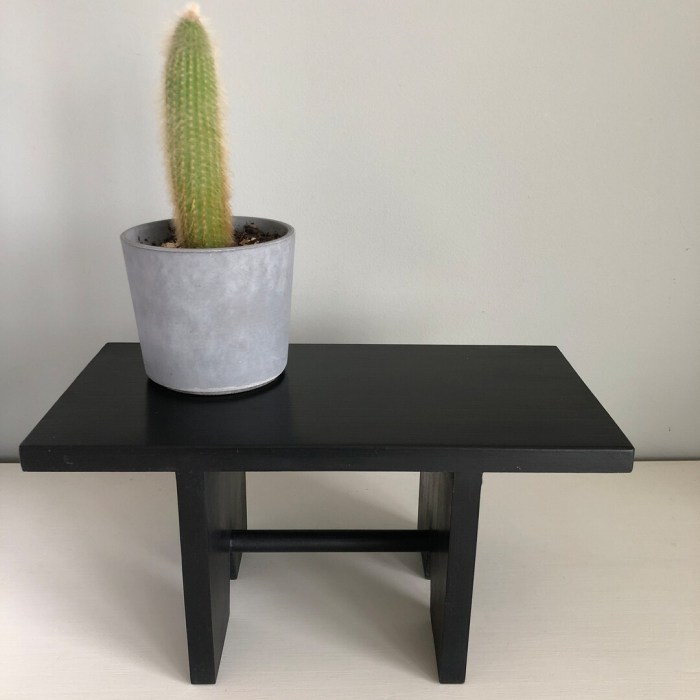
A minimalist Japanese aesthetic often prioritizes simplicity and natural beauty. Choosing the right plants for a simple Japanese plant stand is crucial to maintaining this harmony. The selection must complement the stand’s clean lines and understated design, rather than overpowering it. Careful consideration of growth patterns and maintenance requirements is paramount for long-term success.The success of a plant stand hinges on the plants chosen.
Selecting appropriate species ensures the stand remains visually appealing and functional for years to come. This includes understanding how the plant will grow and how much care it requires.
Plant Selection for Low-Maintenance
Plants suited for low-light conditions and minimal upkeep are ideal for the stand. This allows the beauty of the plants to take center stage without demanding excessive attention. This is particularly important for those with limited time for gardening. The Japanese aesthetic emphasizes natural beauty and unforced elegance.
- Nephrolepis exaltata (Boston Fern): Known for its lush, delicate fronds, Boston ferns thrive in low-light environments and are relatively easy to care for. Their graceful appearance complements the simple design of a Japanese plant stand.
- Pothos (Epipremnum aureum): Pothos are exceptionally adaptable, tolerating a wide range of light conditions, from low to medium. Their trailing nature makes them ideal for cascading arrangements.
- ZZ Plant (Zamioculcas zamiifolia): This resilient plant thrives in low-light conditions and requires minimal watering, making it an excellent choice for busy individuals or those new to plant care. Their unique foliage adds a touch of modern sophistication to a Japanese-inspired design.
Growth Rate and Maintenance Requirements
Considering the growth rate of chosen plants is essential to avoid over-crowding or an unbalanced look. Plants with rapid growth need more frequent repotting and pruning to maintain their aesthetic appeal. This is an important factor in the long-term visual appeal of the stand.
- Slow-growing plants like ZZ plants are a good option for those who prefer a slower pace in plant maintenance. These plants require less frequent attention to stay healthy.
- Medium-growth plants like pothos and ferns need more attention than slow-growing varieties. However, they are still low-maintenance compared to plants that grow quickly.
Optimal Arrangement for Visual Appeal and Balance
The arrangement of plants on the stand is a critical factor in creating a sense of visual harmony. A balanced arrangement is key.
- Consider the size and shape of the plants. Place larger plants in the center or the back of the stand, creating a focal point. Smaller plants can be arranged around larger ones to fill gaps or create visual interest. This method will help to keep the stand looking balanced.
- Think about the foliage and textures. Combining plants with different leaf textures and colors can add visual interest. A variety of shapes and colors is an important consideration.
- Create visual flow. Use the space of the stand effectively. Gradually increase plant height from front to back to guide the eye and create a dynamic visual experience. This will draw the eye and create an aesthetic flow.
Creating Tranquility and Harmony
The placement of plants on the stand can evoke a sense of tranquility and harmony. This is a key element in the Japanese aesthetic. Creating a balanced arrangement can contribute significantly to the visual peacefulness of the stand.
- Consider the overall space. The plants should complement the environment in which the stand is placed, and not overwhelm it.
- Balance of form and color. Plants with a similar color palette create a harmonious arrangement. The stand should not have an overwhelming display of colors, as this can detract from the visual peacefulness.
Maintenance and Care
Ensuring the longevity and aesthetic appeal of a Japanese plant stand requires a proactive approach to maintenance. Regular care not only preserves the stand’s structural integrity but also safeguards the health of the plants it supports. This meticulous attention to detail guarantees the stand remains a source of beauty and tranquility for years to come.Proactive maintenance of the stand and its contents involves a combination of routine cleaning, inspection, and plant care.
By adhering to these practices, the beauty and longevity of the stand can be ensured.
Cleaning and Material Care
Proper cleaning methods are crucial for preserving the stand’s aesthetic and structural integrity. Different materials require specific cleaning techniques to prevent damage. For instance, a lacquered wood stand might benefit from a gentle wipe-down with a soft cloth dampened with a mild cleaning solution, followed by a thorough drying. Avoid harsh chemicals or abrasive materials that could scratch or damage the finish.
Metal stands, if susceptible to rust, should be cleaned with a specialized metal cleaner, then thoroughly dried. Stone or ceramic stands should be cleaned with a soft cloth and water, ensuring no residue remains.
Regular Inspections
Regular inspections are vital for identifying potential issues early on. Visual checks should be conducted at least monthly, and more frequently during periods of harsh weather or high humidity. Look for signs of damage such as cracks in the wood, loosening of fasteners, or rust on metal components. Prompt attention to these signs prevents further deterioration and potential hazards.
Any observed issues should be addressed immediately to avoid worsening the condition.
Preventative Measures
Implementing preventative measures is key to maintaining the plant stand’s integrity. Avoid placing heavy objects on the stand that exceed its weight capacity. Ensure the stand is positioned on a stable surface to prevent tipping. Protect the stand from extreme temperatures, which can cause warping or cracking in certain materials. Regularly checking for any loose screws or fasteners, tightening them promptly, is crucial for maintaining structural stability.
Plant Care Techniques
The success of the plants on the stand depends on proper care. Matching the appropriate watering regimen to the specific plant species is crucial. Overwatering can lead to root rot, while underwatering can cause wilting and stress. Regular fertilization, tailored to the needs of each plant, will promote healthy growth. Provide adequate sunlight and ventilation, based on the plant’s requirements.
Regular pest checks and removal of any infestations are essential to prevent widespread damage.
Budget Considerations
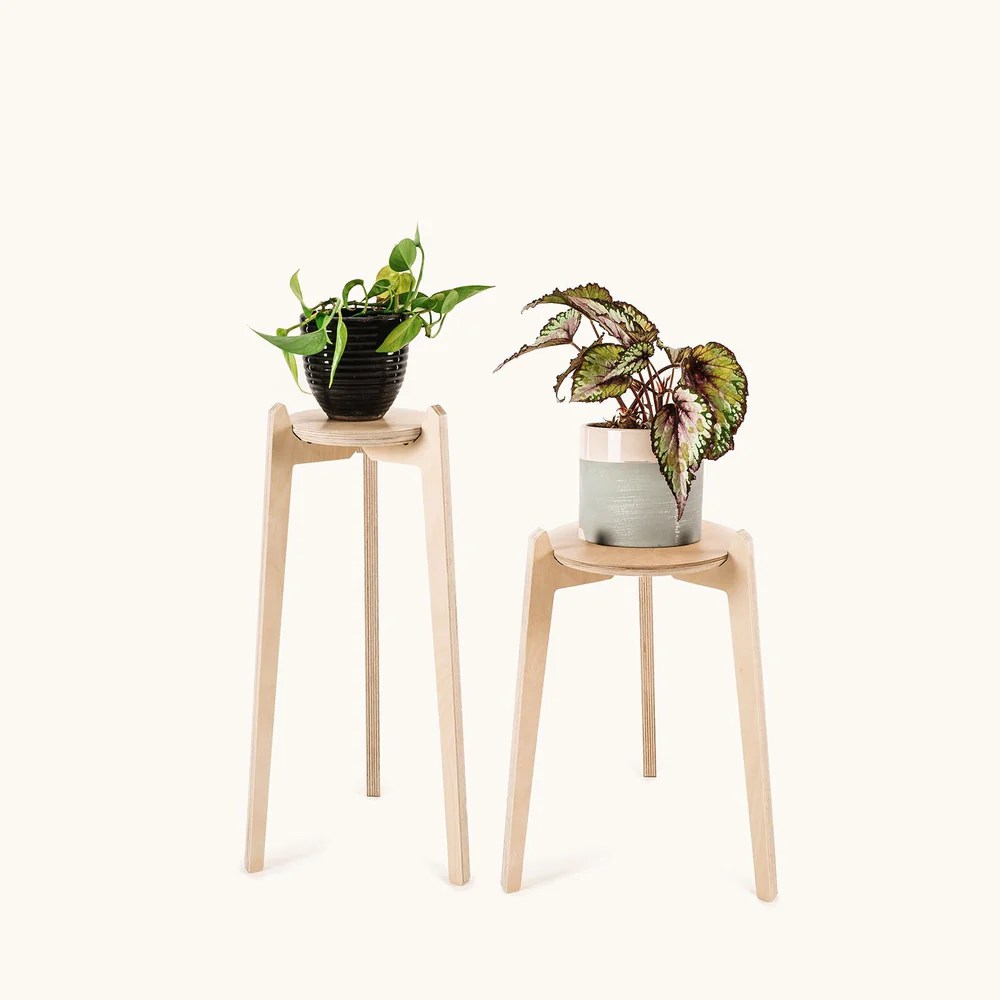
Crafting a visually appealing and functional plant stand doesn’t require a lavish budget. A well-considered approach to materials, construction, and design can yield a high-quality product without breaking the bank. Careful planning and strategic choices are key to achieving the desired aesthetic within a predetermined budget.
Material Cost Estimates
Understanding the estimated costs of different materials is crucial for effective budgeting. The cost of materials varies significantly based on the type, quality, and quantity required. This analysis will examine the cost-effectiveness of various materials.
| Materials | Cost Estimates (USD) | Alternative Options |
|---|---|---|
| Solid Wood (Oak) | $50-$150 (depending on size and finish) | MDF, Pine, Bamboo (often more affordable) |
| Metal (Iron, Steel) | $30-$100 (depending on type and finish) | Powder-coated metal, recycled metal (often cost-effective alternatives) |
| Recycled Materials (Wood pallets, metal scraps) | $10-$50 (highly variable, depending on availability and preparation) | Consider sourcing from local recycling centers or initiatives. |
| Glass | $20-$80 (depending on size and thickness) | Acrylic (a budget-friendly alternative) |
| Concrete | $25-$75 (depending on size and design complexity) | Concrete mix (can be more economical) |
Note: Prices are estimates and may vary based on location, supplier, and specific material characteristics.
Labor Costs
Labor costs are influenced by the complexity of the design and the level of craftsmanship. A simple design may require minimal labor, while a highly intricate stand may necessitate more hours of work. Contracting a skilled artisan can increase the overall cost.
Consider DIY options for minimizing labor costs.
Finish Costs
Finishes significantly impact the aesthetic appeal and longevity of the plant stand. High-quality finishes, such as lacquered wood or powder-coated metal, increase the cost but enhance durability. Staining or painting are budget-friendly alternatives.
Prioritize a finish that aligns with the overall aesthetic and budget.
Balancing Quality and Affordability
Finding a balance between quality and affordability is essential. Investing in durable materials, such as hardwoods or high-quality metal, ensures longevity and resale value. However, cost-effective alternatives can achieve a similar aesthetic without excessive expenditure.
Examples include using reclaimed wood for a rustic look or opting for a painted finish instead of a more expensive lacquer.
Budget-Friendly Design Strategies
Creating a budget-friendly design while maintaining the desired aesthetic involves strategic choices. For example, using reclaimed or repurposed materials can significantly reduce costs without compromising the design’s character. Alternatively, simplifying the design can streamline the construction process, minimizing labor costs.
Consider a minimalist design or opting for a modular approach, where components can be assembled and modified as needed.
Optimizing Costs Without Sacrificing Quality
Optimizing costs without compromising quality involves exploring alternative materials, considering DIY methods, and meticulously planning the construction process. Negotiating with suppliers, procuring materials in bulk, or selecting finishes that enhance durability without escalating costs are crucial strategies.
Prioritizing efficiency in the design process and construction will also aid in reducing costs.
Variations and Alternatives
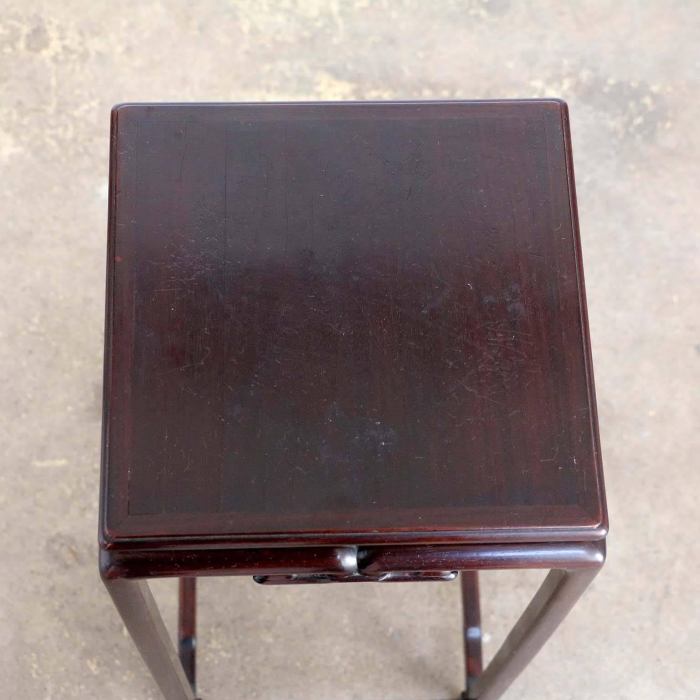
The design of a Japanese plant stand offers numerous avenues for customization and adaptation. Beyond the core aesthetic and functional elements, exploring variations in size, material, and configuration can create truly unique and personalized pieces. This adaptability ensures the stand seamlessly integrates into diverse spaces and reflects the evolving needs of the owner. Expanding beyond the initial design allows for greater flexibility and creative expression.
Alternative Design Variations
This section explores the adaptability of the Japanese plant stand design, offering options for varying needs and spaces. Customizing the stand’s dimensions, shape, and materials can create a truly personalized and unique piece.
- Size Variations: The basic design can be scaled up or down to accommodate different plant sizes and space constraints. A smaller version might be suitable for a balcony or a corner, while a larger version could be a focal point in a living room or courtyard. Examples include a compact version for a single bonsai or a taller version for larger potted plants, potentially with multiple tiers.
- Shape Variations: Beyond the traditional rectangular or square shapes, consider variations such as a curved design, a circular base, or an asymmetrical form. These alternative shapes can introduce visual interest and enhance the overall aesthetic appeal. A curved design might add a sense of fluidity, while a circular base can provide a more balanced and symmetrical look.
- Material Alternatives: While traditional materials like wood and bamboo are excellent choices, explore alternatives like metal (e.g., wrought iron, stainless steel), stone, or even reclaimed materials. Metal stands offer a contemporary aesthetic, while stone brings a natural, grounded feel. Reclaimed wood, for instance, provides a unique character and an eco-friendly approach.
Material Alternatives and Cost Estimation
Exploring diverse materials allows for tailored designs that align with budget constraints and desired aesthetics. The cost implications of each material vary significantly, and a clear understanding of these differences is crucial for effective project management.
| Design Variation | Material Alternatives | Estimated Cost (USD) |
|---|---|---|
| Traditional Wood | Solid Oak, Bamboo | $50 – $200 |
| Modern Metal | Wrought Iron, Stainless Steel | $100 – $300+ |
| Rustic Stone | Natural Stone, Concrete | $150 – $500+ |
| Sustainable Alternative | Recycled Plastic, Reclaimed Wood | $40 – $250 |
Integrated Features
Adding integrated features can enhance the functionality and aesthetic appeal of the plant stand.
- Integrated Lighting: Incorporating LED strips or small spotlights can highlight the plants and create a captivating ambiance, especially in dimly lit areas. The placement and intensity of the lighting should be carefully considered to avoid harsh glare or excessive heat.
- Storage Solutions: A small drawer or shelf integrated into the stand can provide a dedicated space for plant care essentials or small decorative items. This additional storage space can help maintain a clutter-free environment while adding a functional element to the design.
Textural and Color Variations
Introducing diverse textures and colors can transform the plant stand into a truly unique piece.
- Textural Combinations: Combining different textures, such as the smooth surface of polished stone with the natural grain of wood, can create a visually appealing contrast. This combination adds depth and complexity to the design.
- Color Palette: Exploring various color palettes can enhance the overall aesthetic. A muted color palette, for example, can create a calming atmosphere, while bolder colors can add vibrancy to a space. Choosing colors that complement the surrounding environment and the plant selection is essential.
Sustainable Alternatives
Using sustainable materials can significantly reduce the environmental impact of the plant stand’s construction.
- Recycled Materials: Employing recycled plastic, reclaimed wood, or repurposed materials can reduce waste and promote environmental consciousness. These materials offer unique textures and characteristics, adding character to the design.
- Renewable Resources: Utilizing bamboo or other rapidly renewable resources for construction can minimize the ecological footprint of the plant stand. Bamboo, in particular, is a strong and versatile material, with a fast growth rate.
Ultimate Conclusion
In conclusion, crafting a Japanese-style plant stand is a journey into minimalist design and cultural appreciation. By considering the interplay of design, functionality, and cultural influences, you can create a truly unique and impactful piece that brings a touch of Japanese serenity to your home. This guide offers a detailed roadmap, encompassing materials, construction, and plant selection to ensure a successful outcome.
